Practical Tips for Your Visit to Mexico

After living in Mérida for over six years and spending more than a decade criss-crossing this incredible country, we’ve learned some important lessons. That’s why I’ve put together these tips for visiting Mexico.
The secret to a great trip isn’t just about where you go. It’s also about how you travel.
Mexico isn’t a single experience; it’s a vast, diverse mosaic. Whether it’s your first visit or your tenth, here are the tips we share with friends and family to help you navigate Mexico like a local.
Table of Contents - Find your tips for visiting Mexico fast
Safety: Common Sense over Fear
This is probably the first question that comes up when we say we live in Mexico – ‘How safe is it to visit Mexico?’
Sensational headlines about Mexico are common. Most tourists find the reality much calmer. Mexico is vast, and safety varies by location.
Mérida is still classed as one of the safest cities in North America, safer than most US cities and larger towns. We have driven all over the Yucatan peninsula for years without once feeling threatened.
We drove from Mérida to Puerto Vallarta on the Pacific Coast, about a 3,500 miles round-trip. At no point did we experience or observe any safety concerns.
Times change, and although I would gladly do the same drive again, I would advise you to check on the safety in places like Michoacán and Jalisco. While my friends tour these states regularly on their motorbikes, I would always recommend checking current local travel advisories, as safety conditions can change rapidly in Mexico.
In tourist areas like the Riviera Maya, the government spends heavily to protect tourists. You will see police and even the army. While they do a good job, tourists should still stay alert and heed local advice.
I have found the police in the Yucatan friendly and helpful, without exception.
The “Golden Rule”
The best tip for visiting Mexico safely is to stay in tourist-friendly areas, avoid driving on rural roads at night, and use toll roads (cuotas) when traveling between cities. If you’re unsure about a neighborhood’s safety, ask your hotel concierge or a trusted local for advice.
Common sense (which is sadly quite rare) says avoid flashing expensive watches, cameras, or jewelry. Never leave your drinks unattended in bars—this isn’t unique to Mexico, but it’s a vital rule for any traveler.


Managing Your Money
Cash remains king. Credit cards work in major hotels and restaurants, but you’ll need pesos for markets, boutiques, and rural transport. Check the exchange rate before arriving in Mexico. I once helped a tourist at an ATM in Puerto Vallarta airport. She tried to withdraw MXN200, thinking it was a lot. She didn’t realize MXN200 was only about US$11 and wouldn’t believe anyone who told her.- Avoid Airport Exchange Kiosks: Their rates are almost always poor.
- Use Bank ATMs: Use ATMs connected to major banks (like BBVA or Santander) to withdraw pesos using your debit card. It typically gives you the best exchange rate.
- Decline ATM “guaranteed” rates; your home bank offers better rates.
- Small Denominations: Keep a stash of 20 and 50-peso notes. Smaller vendors often struggle to make change for a 500-peso note. This is a constant source of surprise and annoyance to us, even after so many years. But it’s what the vendors will say, so make sure you have small notes handy!
Another tip while visiting Mexico is to become familiar with the banknotes. For some reason, every few years new versions are issued, which is fine. But the Central Bank often changes the color of the note. You might have a blue MXN500 note sitting next to a blue MXN20 note. Apparently, they are phasing out the blue MXN20 but they still appear in change and I’m sure I’ve handed over a 500 thinking it was a 20!
Tipping Customs
In Mexico, tipping is an important part of the service industry, and gratuities often make up a significant portion of a worker’s income.
- Restaurants: A standard tip is 10% to 20% of the pre-tax bill. Always check your receipt first, as some tourist-heavy establishments may automatically include a service charge.
- Bars: $1 USD (or 20 pesos) per drink is customary if ordering at the bar. If running a tab, 15% is standard. If I’m just ordering a beer at a roadside café or restaurant, I tend to give a 10% tip.
- Tour Guides: Tip 10% to 15% of the total cost of the tour, or $5–$20 USD per person, depending on group size and experience quality.
- Hotel Staff: Housekeeping staff appreciate 30–50 pesos per day. For porters, 20–50 pesos per bag is standard.
- General Tip: Whenever possible, tip in Mexican pesos. It is more convenient for local workers and saves them the trouble of exchanging foreign currency.


Friendly – and laid back
Mexicans are incredibly warm, but they operate on a social rhythm that values people over efficiency. Throughout Mexico, if you enter a shop, a cafe, or even a small elevator, a simple “Buenos días” (good morning) or “Buenas tardes” (good afternoon) is essential. In some regions, such as the Yucatán, these courtesies are especially ingrained. It’s not just a greeting – it’s a sign that you are bien educado (well-raised).
When meeting people, don’t rush the “hello.” In Mexico, it’s polite to greet each person individually rather than addressing a group as a whole.
And when you leave a restaurant, it’s a beautiful custom to say “Buen provecho” (enjoy your meal) to fellow diners as you pass. You’ll be surprised by how many smiles that simple phrase earns you.
Don’t get frustrated if things move more slowly than back home. In northern cities or cosmopolitan areas, punctuality is appreciated in business or formal events, but elsewhere, social life often runs on “Mexican time.” You’ll hear the word “Mañana” a lot. Although strictly meaning ‘tomorrow’, it can also refer to a vague future time.
If a shop is closed during the 2–4 pm window, or if service seems leisurely, take a breath. It’s part of the local culture to prioritize the present moment over a rigid schedule. Lean into it.
It may take some getting used to, but you’re on holiday – embrace it!
A Note on Language
You don’t need to be fluent, but making an effort goes a long way. Locals don’t expect you to be a master of Spanish, but they deeply respect the effort. Learning a few basic phrases—por favor, gracias, la cuenta (the bill), and ¿dónde está?—transforms you from a “tourist” into a “visitor” and is greatly appreciated.
Also, if you’re in the Yucatan, don’t be surprised if the Spanish you hear is slightly different from the sounds you were taught at school. Yucatecan Spanish has several words of its own and a slightly different accent.
In some parts of the Yucatan, a foreigner could be someone from Mexico City, not just a non-Mexican!
Mexico is a country that rewards curiosity and kindness. By keeping these tips for visiting Mexico in mind, you’ll find that you aren’t just vacationing in the country—you’re experiencing it.

Weather & Climate
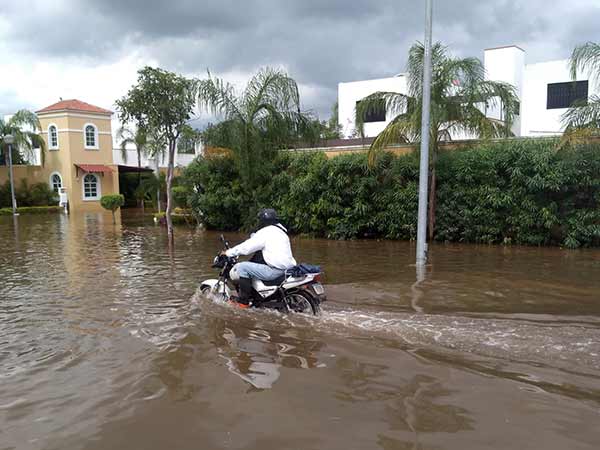
Mexico is vast, and its climate varies considerably depending on altitude and geography.
Yucatan and the Riviera Maya
Yucatan generally has a drier climate, while Quintana Roo tends to be more humid, but both experience warm temperatures year-round and have seasons defined more by rainfall than temperature changes.
- Dry Season (November–April): This is generally the most pleasant time to visit, featuring lower humidity and sunny days.
- Rainy Season (May–October): Expect higher humidity and brief, afternoon thunderstorms.
- Hurricane Season: June–November. Hurricanes are uncommon, but September and October are peak months, although they are rarely a serious problem. The hotels along the Riviera Maya are well-equipped and experienced for such situations. Monitor forecasts and follow local advice when traveling.
Puerto Vallarta & The Pacific Coast
Life on the Pacific side follows a similar tropical rhythm but has its own “natural shield.”
- The Climate: Like the Yucatan, Puerto Vallarta is warm year-round. However, because it is tucked into Banderas Bay and protected by the Sierra Madre mountains, it enjoys a unique natural barrier.
- The Rainy Season: Runs from June through mid-October. The rain usually arrives in short bursts in the late afternoon or evening, leaving your mornings sunny and clear for beach days or jungle hikes.
- Hurricanes: Thanks to the protective curve of Banderas Bay, direct hurricane hits in Puerto Vallarta are rare compared to other coastal destinations. The mountains do a fantastic job of shielding the city, so storms often pass farther out to sea.
For the story of Hurricane Lidia click here: Hurricane Lidia hits Puerto Vallarta and Bucerias
When You Don’t Want to Drive: Ride-Share Apps
If you want to hire a car, read this article: Essential Tips for Driving in Mexico.
For many, the thought of driving here is too much. If this is you, then Apps like Uber, DiDi, and inDrive are popular and are generally safe ways to get around many Mexican cities. They offer transparent pricing and in-app ride tracking for added security.
My experience with Uber in Merida is mixed—it’s usually convenient, but sometimes, drivers cancel and reschedule your ride multiple times in a row. On a rough day, that could happen two or more times in a row!
Safety Tip: Always check the driver’s name, car model, and license plate in your app before you get in. Sit in the back seat and use the app’s “Share Ride” option to keep friends or family in the loop.
The Conflict in Cancun & Playa del Carmen
Be aware that there’s ongoing tension between traditional taxi unions and ride-share platforms in the Cancun and Riviera Maya regions.
Taxi unions here have historically controlled transport and often aggressively resist ride-share apps, leading to harassment, blockades, and unpredictability for drivers and passengers.
Airport Travel: Uber and similar services are frequently prohibited from picking up passengers at airport terminals. If you attempt to use them, you may be forced to walk off airport property to meet your driver, which can be inconvenient and sometimes stressful.
Recommendation: Given the potential for conflict and the difficulty of getting ride-shares directly at resorts or the airport, many visitors prefer to pre-book professional, licensed airport transfers through reputable local companies for a smooth, stress-free arrival.


Tips for enjoying real Mexican food
Many travelers arrive expecting the familiar “Mexican food” from abroad, only to find the real flavors of Mexico are nothing like what they’ve tasted back home.
Mexico’s culinary landscape is a vast mosaic, shaped by geography, climate, and history, producing distinct regional identities. From the beef-heavy dishes of the arid north to the complex, chocolate-infused moles of Oaxaca, there is no single “Mexican cuisine”—only a collection of regional masterpieces.
Living in the Yucatan for over six years has taught me that this region is very different, even from the next state, Campeche. For example, Yucatan’s Mayan cuisine and cenotes contrast with Campeche’s colonial forts and seafood.
People here in the Yucatan are quick to say they’re not just Mexican, they are Yucatecan. And their food shows it. The peninsula’s historic isolation has shaped a unique cuisine that blends ancient Mayan traditions with European and Caribbean influences.
You won’t find the stereotypical tacos and burritos of the border regions here. Instead, you’ll discover the smoky, tender perfection of Cochinita Pibil (pork slow-roasted in banana leaves), the bright acidity of Sopa de Lima, and a reliance on local ingredients like achiote, habaneros, and sour oranges.
My honest opinion, shared by many of my Mexican friends, is that Yucatecan food is good but maybe not as good as some other regional cuisines. Yucatecans will vigorously disagree!
Whether you are tasting fresh Pacific ceviche in Puerto Vallarta or authentic Mayan-inspired stews in Merida, you should embrace the regional diversity. It is the most delicious way to understand the soul of Mexico.
FAQs and Tips for Visiting Mexico
Is it safe to drive in Mexico as a tourist?
Yes, we have driven thousands of miles across the country, from the Yucatan to the Pacific coast, without issue. The key is to stick to main highways and toll roads (cuotas) during daylight hours. While tourist areas are generally very safe and well-monitored, we always recommend checking local news and travel advisories for specific regions before planning a long road trip.
Can I use my credit card everywhere?
Not quite. While credit cards are widely accepted in hotels, larger restaurants, and supermarkets in major cities, cash remains king for local markets, small fondas, and rural areas. Always carry a stash of smaller denomination pesos (20s and 50s) for these daily expenses—you’ll find vendors often struggle to make change for large bills.
Is the tap water really unsafe to drink?
A lot depends where you are staying.
In Merida, the tap water is safe and we brush our teeth without any worry. The water in the Yucatan is very hard, so we don’t drink it but it has been purified.
Generally, it is safer to avoid tap water entirely, even for brushing your teeth if you have a sensitive stomach.
Stick to bottled or purified water. At restaurants, the ice in drinks is normally made from purified water, but if you’re ever in doubt, just ask for your drink without ice.
So far as we’re concerned, it’s only in dodgy looking places would we refuse ice – but our stomachs are ‘used’ to the bugs here.
Are mosquitoes a problem?
Yes and no. Lesley gets bitten regularly. I don’t. Your location and the weather have a big impact on the number of skeeters or mozzies.
The rainy season in Merida and along the Caribbean cost can see a large increase. Many restaurants in Puerto Morelos, for example, even provide bug spray for each table.
There is a risk of dengue and malaria. But if you’re staying in one of the ‘better’ hotels along the coast, the risk in minimal.
We’ve never had an issue and I often go into the jungle bird watching and studying butterflies without worrying overly about mosquitoes.

David Haggett
Copyright 2026 www.wonkycompass.com